
Content Is Becoming More Editorial Again
There’s been a quiet shift away from SEO-stuffed filler toward a real point of view. It shows up in clearer decisions, stronger framing and content teams showcasing their organization’s point of view.

By Sam Mittelsteadt
For years, content marketing rewarded caution, with neutral language, broad usefulness and search-driven structure as the default. The goal was coverage: Publish enough explainers, hit the right keywords and trust the algorithm to do the rest.
But today, when every online search produces AI summaries at scale, clarity about authorship, expertise and intent is scarce, and readers struggle to decide what deserves their attention — and who deserves their trust.
To stand out, many organizations are rediscovering editorial principles that long predate algorithms: strong headlines, clear framing and a visible point of view.
Take a Stance To Build Trust
Content that avoids emphasis or judgment can feel unmoored, especially in an environment where misinformation circulates freely and trust in institutions has eroded. Editorial judgment answers questions that AI struggles with: Why this now? Why this angle? Why should I believe you?
In healthcare communications, clarity often takes the form of position.
- HonorHealth’s homepage features the line “Articles by experts, not algorithms,” a message reinforced through consistent attribution to HonorHealth clinicians across specialties, from OB/GYNs and cardiologists to nutritionists and urgent care physicians, strengthening trust through visibility and accountability.
- A recent article about measles on Ochsner Health’s blog opens with a direct recommendation on vaccination. The guidance reflects medical consensus and establishes the organization’s perspective immediately, before any supporting detail.
- Vanderbilt Health adopts a similarly direct tone in an article citing research that found a majority of autism-related content on TikTok to be misleading or false. The data frames the article’s purpose and reinforces Vanderbilt’s role as a corrective voice within a fragmented information landscape.
In these cases, editorial and clinical judgment shapes the reader’s experience from the outset. The organization’s expertise and values are evident, not inferred.
Understand Your Audience’s Needs To Build Credibility
Alumni and professional associations are applying similar discipline in their content, treating framing, sourcing and voice as essential parts of their relationship with members.
- “The Calgorithm,” the Fall/Winter 2025 cover story in the Cal Alumni Association’s magazine, explores how Cal’s “meme-crazed fan base” — alumni as well as students — engages playfully with Berkeley’s inescapable reputation for overboard intellectual and cultural overachievement. By highlighting the power of being unapologetically Berkeley, the article strengthens community and reinforces identity rather than chasing universal relevance: This is for you, and it comes from us. The Calgorithm article also raised $28,000 for the Cal Athletics Fund in just one week, proving there’s value in community.
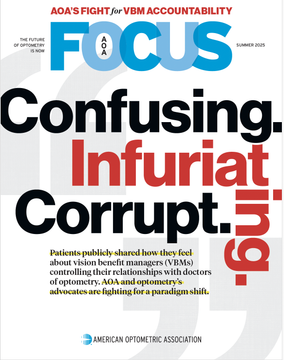
- The cover of the latest edition of the American Optometric Association’s member magazine, meanwhile, leaves no question about the group’s stance on vision benefit plans. The headline: “Confusing. Infuriating. Corrupt.” The magazine, which is exclusive to members, regularly addresses members’ pressing concerns, from challenges with health and vision plans to practice management issues.
What Brands Can Relearn From Magazines
Magazines have always relied on judgment. Editors decide which stories matter, how they’re framed and why they belong together. Readers come to recognize those decisions and return for them.
As content marketing evolves, similar dynamics are reemerging. The organizations gaining traction are investing in:
- Headlines that carry ideas, not just keywords
- Framing that establishes relevance and context
- Sourcing and attribution that reinforce authority
- A voice that reflects institutional values and expertise
Performance metrics still matter, but they no longer define success on their own. As AI accelerates production, discernment becomes the differentiator. Content that reflects clear thinking, visible expertise and intentional perspective is easier to recognize — and harder to replace. That shift is subtle, but it’s already reshaping how audiences engage with brands that have something real to say.
Content That Connects and Converts
C/A can help you develop a content strategy that defines your brand’s point of view.

Sam has nearly four decades of experience as an all-rounder in marketing and editorial content. His writing, editing, proofreading and design clients have included the CBS television network, two Condé Nast magazines, The Ritz-Carlton, metro-area daily newspapers, state and county tourism departments, dental education publishers and platforms, and some of the nation’s top universities and healthcare centers.
Sam is originally from Montana but rapidly approaching his 30th year as an Arizona resident. Ever since he moved to the metro Phoenix area to work at a weekly entertainment magazine, he’s been investigating the best places to eat, drink, shop and visit.